
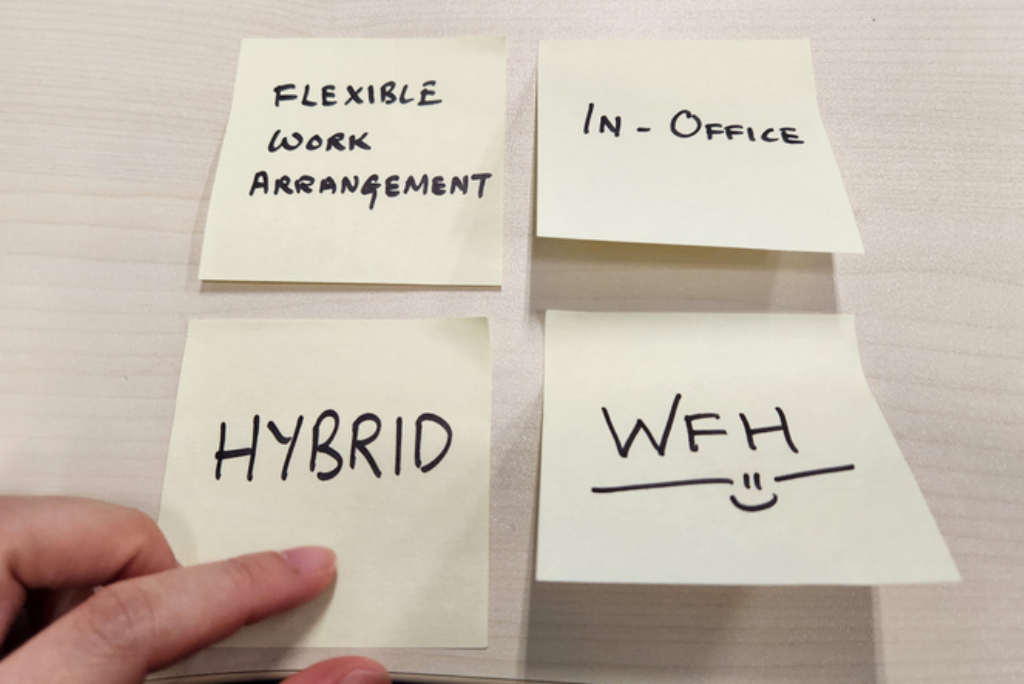
Hybrid RTO Policies That Breach Fairness or Fuel Disputes
- Policies
- lmhrc-admin
Hybrid & RTO Policies That Breach Fairness or Fuel Disputes
Hybrid and Return to Office (RTO) arrangements are no longer “temporary responses” to a crisis; they are now core components of how Australian businesses operate. But poorly designed or inconsistently applied RTO policies continue to generate employee relations disputes, disengagement and claims of unfair treatment.
Industry insights show that RTO mandates are reshaping the employee value proposition (EVP), with many organisations experiencing resistance where policies are misaligned with employee expectations or inconsistently applied across teams. At the same time, Australian HR leaders are being encouraged to rethink traditional models of work by focusing on what the work requires, rather than default assumptions about physical presence.
As hybrid work matures, the challenge is no longer deciding whether flexibility is appropriate, but how to implement it fairly, safely and consistently.
Why Fairness Is at the Centre of Hybrid and RTO Risks
Hybrid and RTO policies often fail when:
- Employees perceive that decisions are inconsistent
- Expectations are unclear or change without consultation
- Different managers interpret the policy differently
- Exceptions are made without transparent criteria
- Employees performing similar work are treated differently
The Shift Toward Work Design, Not Work Location
2026 is the move away from job titles and attendance rules toward work design, an assessment of tasks, outputs, collaboration needs and risk factors associated with each role.
HR research increasingly emphasises that the RTO conversation should start with questions such as:
- What activities genuinely require in person collaboration?
- Which tasks can be performed independently or asynchronously?
- What risks exist in remote or onsite settings?
- How does location affect safety, productivity and service delivery?
Organisations that anchor hybrid policies in work requirements, rather than blanket office day mandates, report fewer conflicts and greater acceptance from employees. This approach also aligns with broader shifts toward skills based and outcomes focused job design.
Where Hybrid Policies Create Legal and Employee Relations Risks
Hybrid and RTO arrangements intersect with several areas of workplace risk that SMEs must actively manage.
- Workplace Health and Safety
Employers retain WHS obligations regardless of where work is performed. This includes managing ergonomic risks, fatigue and psychosocial hazards in both remote and on site environments. Hybrid policies that ignore these obligations can expose businesses to regulatory and injury claims.
- Discrimination and Adjustment Obligations
Rigid attendance requirements can disproportionately affect employees with caring responsibilities, disabilities or health conditions. Without clear processes for flexible work requests and adjustments, businesses may face allegations of indirect discrimination or unfair treatment.
- Grievances and Cultural Impact
Disputes are more likely to escalate when policies lack clarity or are poorly communicated. Where employees feel decisions are personal or inconsistent, grievances often follow, even in the absence of legal breaches.
Regulatory position
Safe Work Australia explicitly states that employers must manage health and safety risks regardless of where work is performed, including remote and isolated work. (https://www.safeworkaustralia.gov.au/safety-topic/hazards/remote-and-isolated-work/whs-duties)
Hybrid policies which ignore ergonomic, fatigue or psychosocial risks can expose businesses to injury and regulatory claims.
Why Consistency Matters More Than Flexibility Levels
One of the most common misconceptions is that disputes arise because businesses are “not flexible enough.” In practice, disputes more often occur because flexibility is applied inconsistently.
Consistency does not mean identical outcomes for every employee. It means:
- Using the same decision making framework across roles
- Applying documented criteria
- Communicating reasons for differences clearly
- Training managers to apply policies uniformly
Train Managers on Fair Decision Making
Managers must learn how to:
- Apply criteria consistently
- Document decisions
- Manage employee pushback
- Communicate expectations sensitively and lawfully
Keeping Hybrid Policies Fit for Purpose in 2026
Regular review helps ensure policies:
- Reflect how work is performed
- Align with WHS and discrimination obligations
- Support engagement rather than eroding trust
- Provide managers with practical guidance
- Set clear expectations for employees
Final Reflections
Hybrid and RTO policies are no longer just operational decisions they are central to fairness, culture and risk management.
It’s not a question of where your people work, but what the work looks like. Future ready businesses are designing flexible job architectures where employees move through assignments based on skills and value, not location mandates.
It’s not a question of where your people work, but what the work looks like. Futureready businesses are designing flexible job architectures where employees move through assignments based on skills and value, not location mandates.
Businesses that approach hybrid work through a structured, evidencebased lens are far better positioned to avoid disputes while supporting both performance and employee wellbeing.
Hybrid and RTO arrangements are here to stay, but so are the fairness, consistency and compliance risks that come with them. The organisations that succeed in 2026 will be those that design work intentionally, communicate transparently, and apply policies consistently across teams.
If your business is navigating hybrid or RTO challenges, or facing disputes, low engagement or confusion, LMHR Consulting can help you build a clear, fair, and futureproof approach through strategic Outsourced HR support.